
GCSI updates
New recipes and guidance, without the noise.
See newly published recipes, first publications and reviewed revisions in one focused place. Opening an item marks it as read in this browser and updates the notification bell.
Fresh from the kitchen
New recipes
 New
New
Banana Pancakes
Soft banana pancakes made with ripe bananas and cooked until golden brown. A simple gluten-free breakfast with an easy preparation method and a soft, lightly caramelized finish.
 New
New
Roasted Bell Pepper, Tomato & Feta
A quick Mediterranean side dish with sweet roasted bell peppers, juicy tomatoes, feta and oregano, prepared entirely in the air fryer.
 New
New
Mediterranean Gluten-Free Pizza with Feta & Vegetables
A quick Mediterranean-style gluten-free pizza topped with tomato, mozzarella, feta and colourful fresh vegetables, finished with oregano and fresh herbs.
 New
New
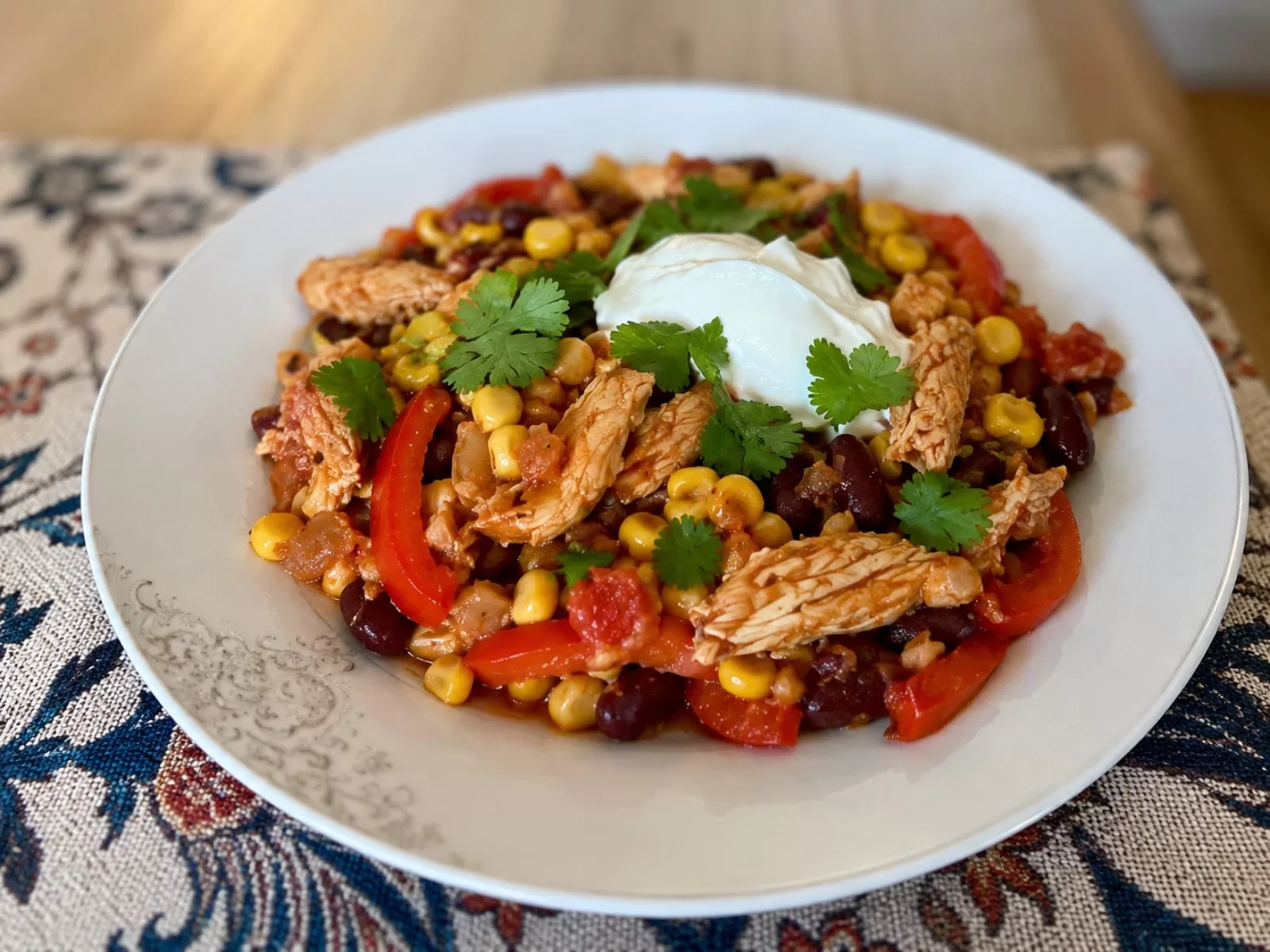
Mexican-Style Shredded Chicken Skillet
A quick gluten-free skillet with tender shredded chicken, colourful peppers, corn and beans in a lightly spiced tomato sauce, finished with fresh lime and herbs.
Guidance feed
New and revised publications
Read status is stored in this browser and is reflected in the notification bell for signed-in members.
Can biodegradable tableware transfer gluten to food? What one 2025 study found
A 2025 laboratory study tested eight biodegradable food-contact items and found substantial gluten in one wheat-derived dish, with transfer into several gluten-free foods under the tested conditions. The result identifies a food-contact question worth checking, but it does not show that biodegradable tableware as a category is unsafe.
Gluten-free beer and gluten-removed beer are not the same claim
Beer labels can use similar-sounding gluten wording for products made in very different ways. This guide explains the U.S. distinction between beer that can qualify for a gluten-free claim and malt beverages fermented from gluten-containing grains that are processed to remove gluten, with the limits of current testing made explicit.
What the new Codex ‘may contain’ gluten guidance actually changes
Codex adopted new international precautionary allergen-labelling guidance in July 2026. This article explains the new risk-based approach for cereals containing gluten, the 4 mg gluten reference dose, what remains unchanged, and why the guidance is not automatically national law.
Hospital gluten-free menus need enough choice—not just one suitable meal
A 2026 observational study of 229 adult hospital inpatients found that expanded gluten-free menu options were associated with better energy and protein adequacy in one Brisbane hospital. This article explains what hospitals can learn from the study without treating menu variety as proof of gluten cross-contact control.
Back to school with celiac disease: what school-meal studies show—and what they do not
Recent U.S. studies describe gaps in gluten-free school meal access, family-school communication and confidence in cafeteria processes. This evidence update turns those findings into practical questions without treating self-reported experience as proof of meal-level gluten exposure.
When an ingredient changes, the gluten-free answer may change too: a restaurant change-control guide
Supplier substitutions, reformulations and last-minute ingredient changes can make yesterday's menu information stale. This guide separates the legal scope of gluten-free claims from practical change-control steps that help restaurants keep ingredient and allergen information current.
A gluten-free menu is not a cross-contact audit: lessons from a 2026 Canadian restaurant study
A 2026 Winnipeg study shows why a reported gluten-free menu and a reported cross-contact control answer different questions. This evidence update explains what the study measured, what it did not verify, and what diners and food-service teams can ask or document.
Training completed is not the same as competence: what recent food-service studies show
Recent food-service research shows why attendance at training, knowledge scores, practical performance and organisational controls should not be treated as the same evidence. This article translates the findings into concrete competence checks for celiac-safe service.
EU restaurant allergen information and gluten-free claims: what each one tells you
In EU restaurants, mandatory allergen information and a voluntary gluten-free claim answer different questions. This guide explains the distinction, uses Austria as a national example, and shows what diners and food-service teams still need to verify about preparation.
Oats on a gluten-free menu: what restaurants and diners need to verify
Oats need more than a generic ingredient check. EU rules set specific conditions for oats used in foods presented as gluten-free, while clinical and regulatory evidence shows why sourcing, jurisdiction and individual tolerance should remain visible rather than assumed.
Why gluten-free pasta needs fresh cooking water
Restaurant-scale testing shows that gluten transfers from wheat pasta to gluten-free pasta through shared water and can accumulate over repeated batches. Dedicated fresh water and a separate vessel provide the clearest control.
Shared fryers and gluten: what the evidence means for gluten-free food
A food can contain no gluten ingredients and still receive gluten through reused frying oil. Direct studies show variable results, including restaurant samples and repeated-use experiments above the 20 mg/kg threshold.
Questions to ask before ordering a gluten-free meal
A short list of focused questions can reveal more than a general request for “something gluten-free.” This guide helps diners ask about ingredients, preparation, cooking, service, and uncertainty without having to interrogate every employee.
What does “gluten-free” mean for someone with celiac disease?
For someone with celiac disease, gluten-free is a medically necessary standard—not a preference. This guide explains the 20 mg/kg threshold, gluten-containing grains, cross-contact, and why a restaurant claim needs information about preparation as well as ingredients.
Gluten cross-contact in restaurants: where exposure can happen
Gluten cross-contact can occur at several points between receiving ingredients and serving the meal. This article maps the main restaurant pathways, explains what direct studies show, and identifies practical questions and controls.